Streamline Your Packaging Process with an Automated Box Packing System
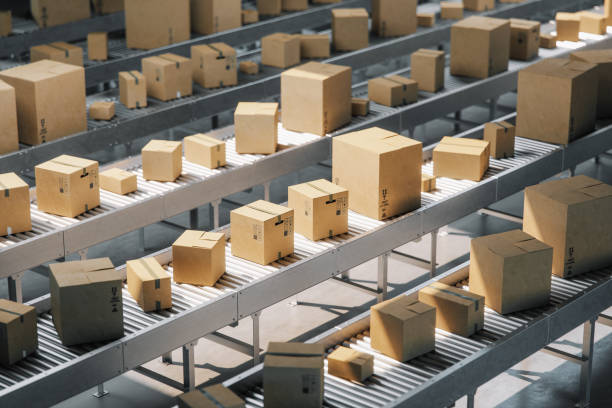
In today’s rapidly evolving market, efficiency and precision in packaging processes are more critical than ever. Companies are increasingly turning to automated solutions to enhance productivity and reduce operational costs. One such innovation that stands out is the automated box packing system. This technology not only streamlines packaging operations but also ensures consistency, quality, and scalability. As businesses strive to meet the growing demands of consumers, adopting such advanced systems becomes not just beneficial but essential.
Understanding Automated Box Packing Systems
An automated box packing system is designed to handle the entire process of packaging products into boxes without the need for manual intervention. These systems integrate cutting-edge technologies to ensure that the packaging process is not only efficient but also adaptable to various product types and sizes.
Key Features of Automated Box Packing Systems
- Versatility: Capable of handling different product sizes and packaging formats.
- Speed and Efficiency: Significantly faster than manual packing, reducing labor costs and time.
- Precision: Minimizes errors and ensures consistent packaging quality.
- Scalability: Easily adjustable to accommodate increased production demands.
- Integration: Can be seamlessly integrated with existing production lines.
Benefits of Implementing an Automated Box Packing System
The advantages of utilizing an automated box packing system extend beyond mere speed and efficiency. Below are some of the pivotal benefits that can transform packaging operations:
- Cost Reduction: Automation reduces the need for manual labor, resulting in significant cost savings.
- Improved Safety: Minimizes the risk of workplace injuries associated with repetitive manual packing tasks.
- Consistency: Ensures high-quality packaging, reducing the likelihood of product damage during transit.
- Environmental Impact: Optimizes material usage, contributing to sustainability efforts.
- Enhanced Productivity: Allows for continuous operation, maximizing throughput.
To discover expert strategies on how these systems can be tailored to specific business needs, explore advanced guides and tips.
Selecting the Right Automated Box Packing System
Choosing the right system involves careful consideration of various factors to ensure that the solution aligns with business objectives. Here are key considerations:
- Product Variety: Assess the range of products to be packaged and ensure the system can handle diverse types.
- Production Volume: Determine the capacity requirements based on current and projected production volumes.
- Space Availability: Evaluate the available floor space to accommodate the system.
- Budget Constraints: Balance between investment costs and expected returns.
- Technology Compatibility: Ensure the system integrates smoothly with existing technologies.
For more detailed insights into selecting the ideal system, discover expert strategies here.
Integrating Automation into Existing Operations
Integrating an automated box packing system into current packaging operations requires strategic planning. Here are some steps to ensure a smooth transition:
- Assessment: Conduct a thorough analysis of existing processes to identify areas for improvement.
- Customization: Work with solution providers to tailor systems to specific operational needs.
- Training: Equip staff with the necessary skills to operate and maintain the new system.
- Testing: Perform rigorous testing to ensure the system functions as expected.
- Monitoring: Implement continuous monitoring to optimize system performance and address any issues promptly.
Learn about tailored solutions and how to effectively integrate them into your workflow by finding out more about this approach.
Adopting an automated box packing system can revolutionize the way packaging is handled, offering unmatched efficiency, reliability, and cost-effectiveness. As industries continue to advance, embracing such technologies will be pivotal in maintaining a competitive edge and meeting the ever-evolving demands of the market.
